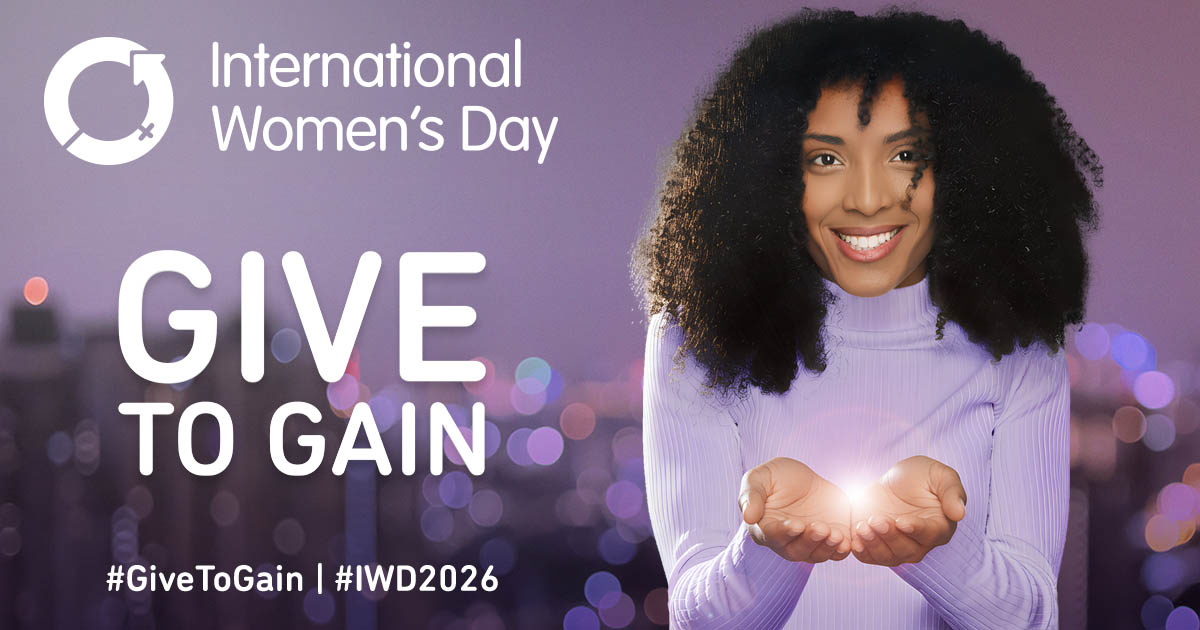
IWD 2026: Tracing History, Driving Progress for Gender Equality
As the calendar turns towards March, anticipation builds for a day globally recognized as a pivotal moment for women worldwide. Sunday, March 8, 2026, marks International Women’s Day (IWD), a momentous occasion dedicated to celebrating the remarkable achievements of women while simultaneously confronting the persistent inequalities they face. More than just a date on the calendar,
International Women's Day 2026 serves as a powerful call to action, reminding us that the journey towards true gender equality is ongoing and requires collective effort. From its deeply rooted historical origins to its modern-day resonance, this special day compels us to reflect, advocate, and unite for a more equitable future.
The Enduring Legacy: A Brief History of International Women's Day
The story of International Women's Day is one of courage, perseverance, and a relentless fight for fundamental human rights. Its genesis lies in the fervent labor movements and suffrage campaigns of the early 20th century, a time when women, particularly in industrialized nations, began to organize and demand better working conditions, fair wages, and the right to vote. These were not abstract ideals but urgent necessities for survival and dignity.
A pivotal moment occurred in 1908 when thousands of women textile workers marched through the streets of New York City, demanding shorter hours, better pay, and the right to cast their ballots. This protest, fueled by a collective sense of injustice and a burgeoning feminist consciousness, laid significant groundwork. Inspired by these actions, the first National Woman's Day was observed in the United States on February 28, 1909. The idea quickly gained international traction, with women’s rights advocates across Europe championing a similar annual observance to press their demands for social, economic, and political equality.
The concept was truly globalized in 1910 at the second International Conference of Working Women in Copenhagen, where Clara Zetkin, a prominent German socialist, proposed an annual "International Women's Day." This proposal was unanimously adopted by over 100 women from 17 countries. The following year, International Women's Day was first celebrated in Austria, Denmark, Germany, and Switzerland, drawing over a million people to rallies advocating for women's rights to work, vote, hold public office, and end discrimination. Through the decades, despite global conflicts and ideological divides, the spirit of IWD endured, evolving from a socialist observance to a widely recognized global day of advocacy and celebration, eventually being recognized by the United Nations in 1977. This rich history reminds us that
why International Women's Day 2026 still demands our focus is deeply connected to these foundational struggles.
Women Day 2026: A Global Moment for Reflection and Action
Fast forward to **Women Day 2026**, and the celebrations span continents, cultures, and communities. This day is a powerful testament to the social, economic, cultural, and political triumphs women have achieved, often against immense odds. We celebrate the trailblazers who broke barriers, the innovators who reshaped industries, the leaders who inspired change, and the everyday women who contribute immeasurably to their families and societies. From advancements in medicine and technology to breakthroughs in arts and politics, women's contributions are undeniable and deserve grand recognition.
However, amidst the celebrations, **Women Day 2026** also serves as an urgent reminder of the significant barriers and inequalities that persist globally. The vision of a truly gender-equal world remains elusive. Consider these stark realities:
- Economic Disparity: The gender pay gap remains a stubborn reality in nearly every country, with women earning significantly less than men for comparable work. Furthermore, women are disproportionately represented in precarious employment and informal sectors.
- Gender-Based Violence: Violence against women and girls is a pervasive global crisis, manifesting in domestic abuse, sexual violence, harassment, and harmful practices like child marriage.
- Workplace Discrimination: Despite progress, women continue to face discrimination in hiring, promotion, and retention, often encountering "glass ceilings" that prevent them from reaching leadership positions and "sticky floors" that keep them in lower-paying roles.
- Barriers to Education and Healthcare: Millions of girls still lack access to quality education, particularly in developing regions. Women also face systemic barriers to comprehensive healthcare, including reproductive health services.
- Underrepresentation in Leadership: Women remain significantly underrepresented in political office, corporate boardrooms, and other decision-making spheres, limiting their ability to shape policies that affect their lives and communities.
These challenges underscore why **Women Day 2026** is not merely a holiday but a critical moment for activism. The spirit of the day is built on the understanding that progress, while real, is often fragile and reversible, demanding continuous awareness-raising and concerted action to accelerate change.
Beyond Celebration: Driving Progress for Gender Equality in 2026
To truly honor the spirit of **Women Day 2026**, our efforts must extend beyond mere acknowledgment to proactive engagement. Driving progress for gender equality in 2026 requires a multi-faceted approach, involving individuals, organizations, governments, and communities worldwide.
One of the most profound investments we can make is in **girls' education**. As one of our reference sources highlights, robust and equitable education for girls is not just a right, but a powerful catalyst for broader societal advancement. Educated girls are more likely to:
- Lead healthier, more fulfilling lives.
- Delay marriage and childbirth.
- Earn higher incomes, boosting their families and national economies.
- Participate actively in political and community life.
- Break cycles of poverty across generations.
Investing in quality education, from primary school through higher learning, especially in STEM fields where women are often underrepresented, is crucial for empowering the next generation of female leaders and innovators.
Furthermore, addressing persistent workplace inequalities requires strategic interventions. Companies must commit to **transparent pay audits** to close wage gaps, implement **flexible work arrangements** and comprehensive parental leave policies to support women's dual roles, and foster **inclusive leadership development programs** to ensure women have equitable opportunities for advancement. Challenging ingrained biases through unconscious bias training and promoting diverse hiring panels are also vital steps.
At a societal level, we must intensify efforts to **eradicate gender-based violence** through robust legal frameworks, increased protection services, and comprehensive educational campaigns that shift cultural norms. Advocating for greater **political representation for women** ensures that policies are developed with a deeper understanding of women's experiences and needs. This means actively supporting female candidates, encouraging women to run for office, and dismantling systemic barriers to their participation.
Navigating Women Day 2026: How You Can Participate and Make a Difference
**Women Day 2026** provides countless avenues for participation, whether you choose to celebrate achievements, advocate for change, or both. Here are practical ways you can engage and contribute:
- Attend or Organize Events: Look for local marches, conferences, workshops, or community gatherings centered around IWD. These events often feature inspiring speakers, educational panels, and opportunities for networking and collective action.
- Educate and Raise Awareness: Take the time to learn more about gender equality issues, share facts, and engage in constructive conversations with friends, family, and colleagues. Social media campaigns using relevant hashtags like #IWD2026 and #WomenDay2026 can amplify important messages.
- Support Women-Owned Businesses: Consciously choose to support enterprises founded or led by women. This economic empowerment directly contributes to women's independence and community prosperity.
- Advocate for Policy Change: Contact your elected representatives to voice your support for legislation that promotes gender equality, protects women's rights, and addresses issues like equal pay, childcare, and violence prevention.
- Mentor and Be Mentored: If you are in a position to, mentor young women or girls to help them navigate educational and career paths. Conversely, seek out mentors who can guide your own journey.
- Donate or Volunteer: Support local or international organizations dedicated to women's rights, education, health, and empowerment. Even small contributions of time or money can make a significant impact.
- Challenge Stereotypes: Be mindful of the language you use and the media you consume. Actively challenge gender stereotypes and biases in your daily interactions and online presence.
Mark your calendars for Sunday, March 8, 2026, and consider how you can make your participation in International Women’s Day meaningful and impactful.
Conclusion
International Women’s Day 2026 stands as a powerful testament to the progress made in the pursuit of gender equality, fueled by generations of relentless advocacy and unyielding determination. Yet, it also serves as a crucial reminder that the fight is far from over. The historical tapestry of IWD reveals a consistent thread of women uniting for fundamental rights, a spirit that remains vital today as we confront contemporary challenges like economic disparity, gender-based violence, and underrepresentation. By understanding its past, embracing its present call to action, and actively working towards a more just future, we can ensure that **Women Day 2026** is not just a day of celebration, but a significant milestone on the path to a truly equitable world for all.